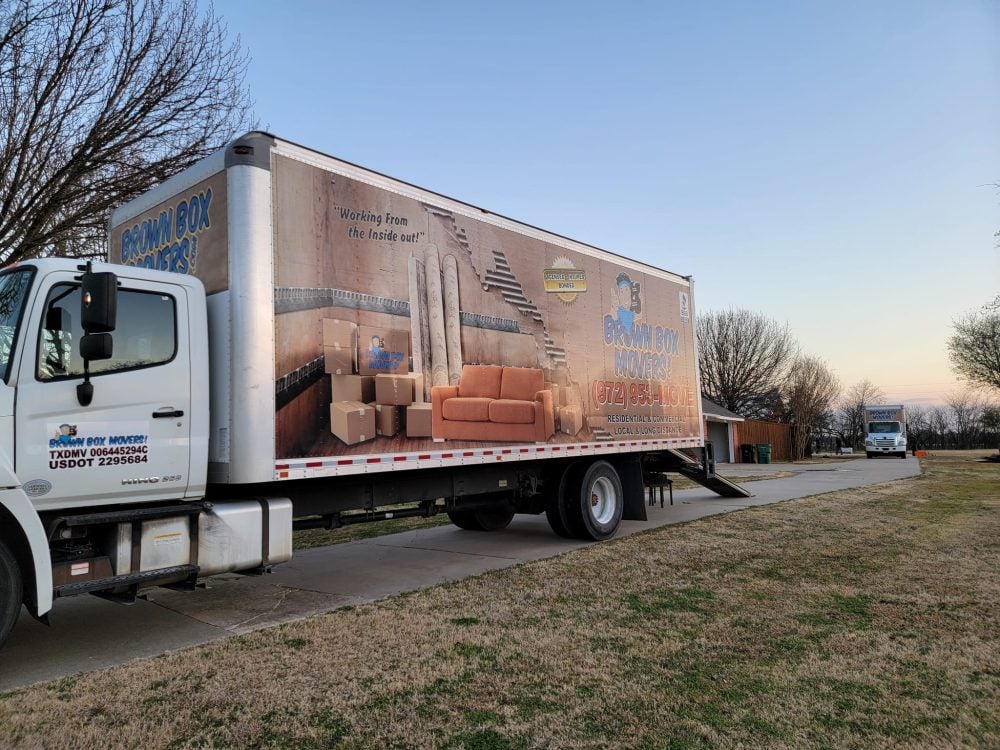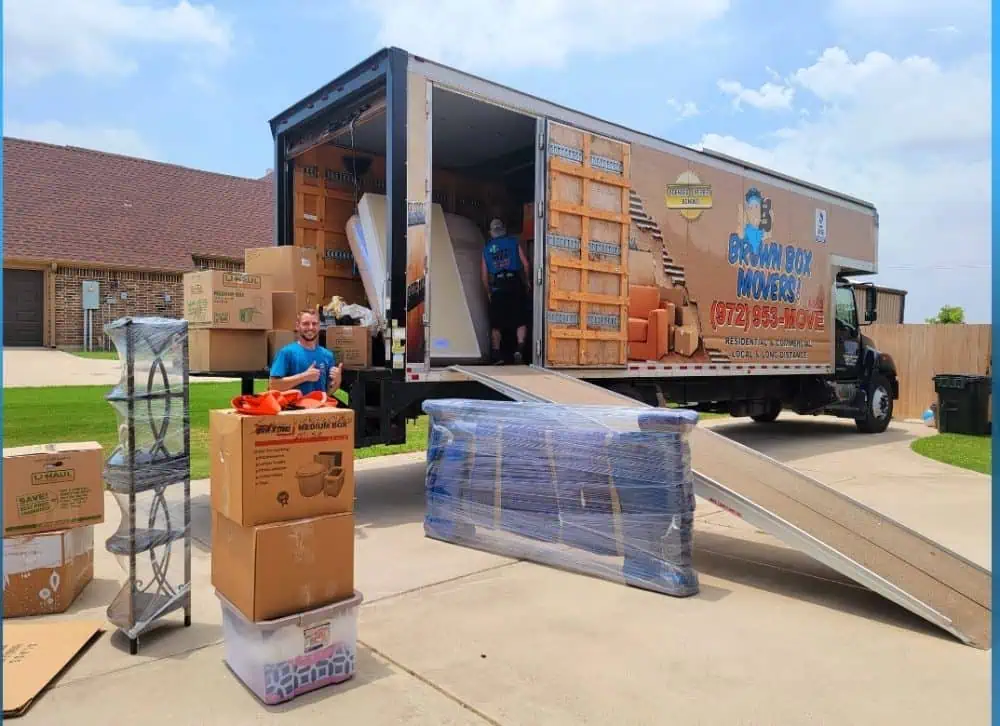


Brown Box Movers prices the job knowing all of that, in writing, before loading day.

North Through Oklahoma and Missouri

The route runs I-35 north to Oklahoma City, picks up I-44 northeast through Tulsa, Joplin, and Springfield to St. Louis, then follows I-55 the rest of the way up to Chicago. Around 14 to 15 hours of driving, usually split over two days. Oklahoma’s turnpikes are cashless now and tolls are billed to a tag or by plate.

Your household travels on its own truck for the entire route. Nothing is staged at a terminal in Missouri, nothing is consolidated with another family’s shipment, and no second carrier takes over for the last leg. The pickup date, the delivery window, and the crew are confirmed when you book rather than left as a range.

Ask Your Building These Questions First

Chicago delivery problems are almost always paperwork problems, and they are all solvable in advance. Before your survey, find out:

  • Does the building require a certificate of insurance? Most managed high-rises do, and they want it days ahead, not on move day.
  • Is there a freight elevator, and does it need a reservation? Downtown and Streeterville towers typically book elevators in blocks, sometimes weeks out.
  • Are move-ins restricted to certain days or hours? Many buildings exclude weekends or limit moves to business hours.
  • Where can the truck legally sit? Some streets require a permit from the city to hold curb space for a moving truck.

Send us whatever the building provides and we build the day around it. Our apartment moving service page covers how we handle buildings with managed access.

Walk-Ups, Three-Flats, and Winter

Outside the towers, the classic Chicago building is a two- or three-flat with a front staircase, a rear wooden porch, and a stairwell that turns. Large upholstered pieces frequently have to come apart or go up the back. Measuring the stairwell and the front door before move day saves an hour of improvising, and our crews disassemble and rebuild beds, sectionals, and dining sets as part of the job.

Winter is its own factor. Snow and ice between December and March can slow I-55 and complicate a curbside unload, and a plowed street leaves less room for a truck. Deliveries in those months get scheduled with a little more daylight margin than a July job would need.

Where People Land

  • Lincoln Park, Lakeview, and Wicker Park: dense blocks, walk-ups, tight parking
  • Logan Square and Avondale: two-flats and three-flats on residential streets
  • The Loop, River North, and Streeterville: high-rises with docks, elevators, and strict scheduling
  • Hyde Park: around the University of Chicago, with a mix of older apartments and single-family homes
  • Evanston, Oak Park, and Naperville: suburbs with driveways, garages, and far simpler access

Illinois Paperwork and Utilities

The Illinois Secretary of State handles driver licenses and vehicle registration, and new residents are expected to convert both within the state’s posted deadlines. ComEd supplies electricity across most of the metro, and Peoples Gas serves much of the city proper, with different providers in the suburbs. Start those accounts before delivery so the heat is on in winter when the truck pulls up.